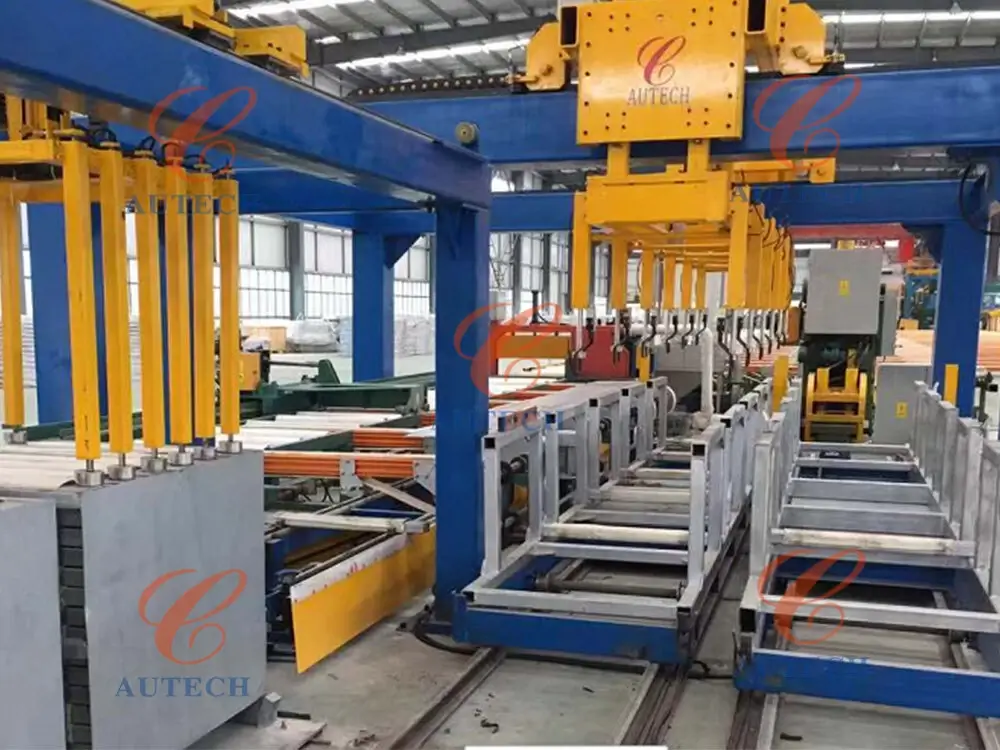
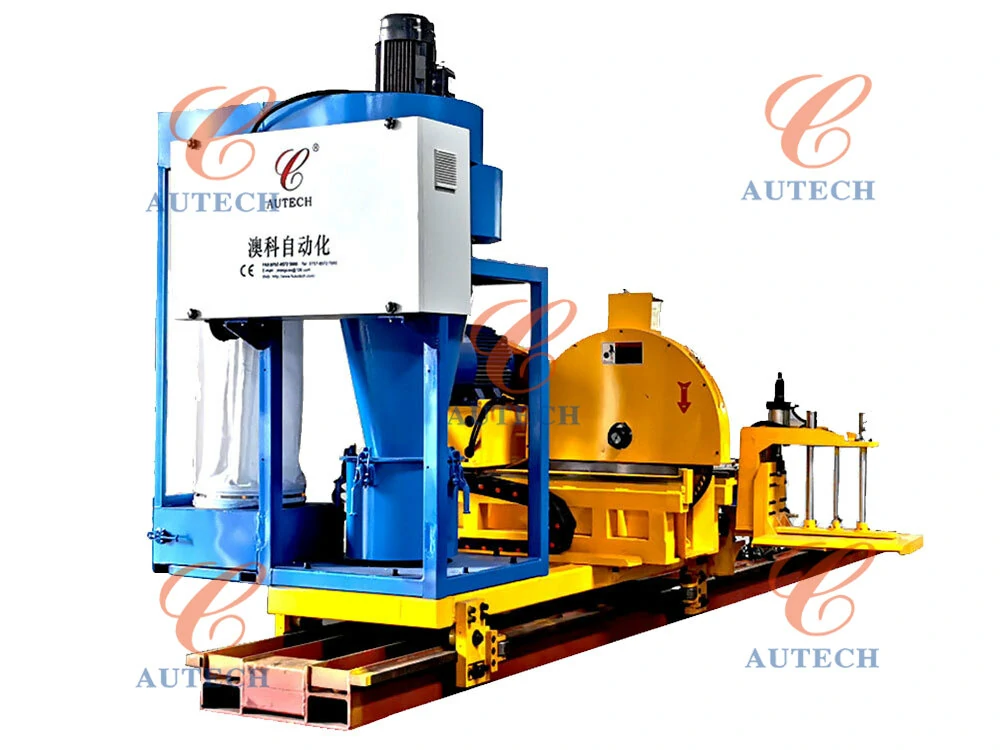
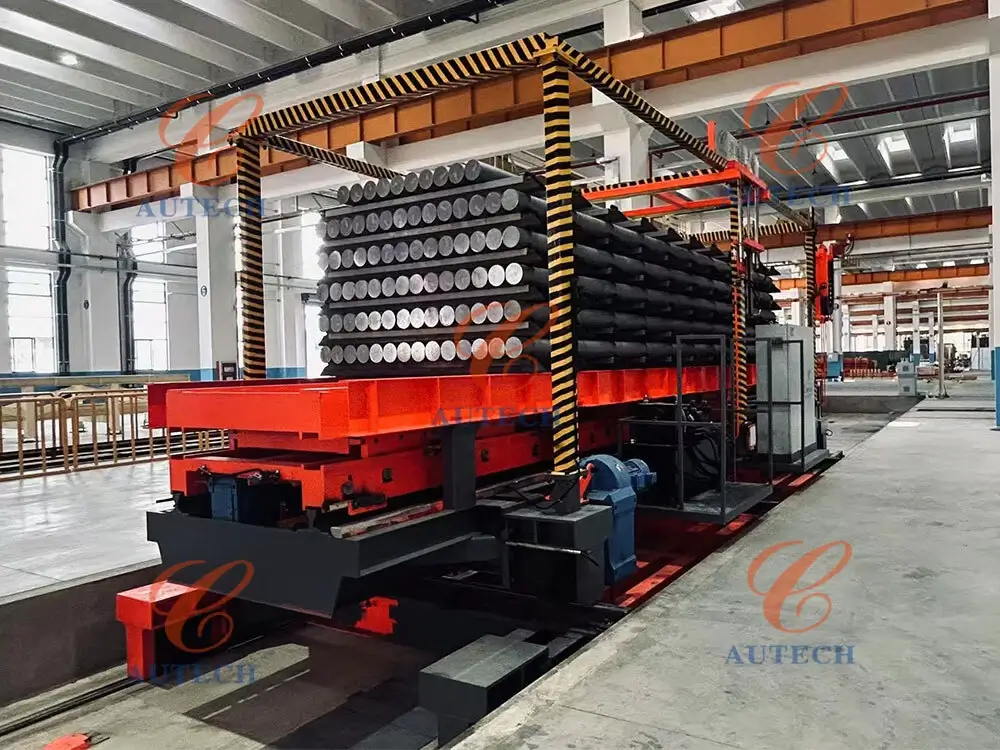
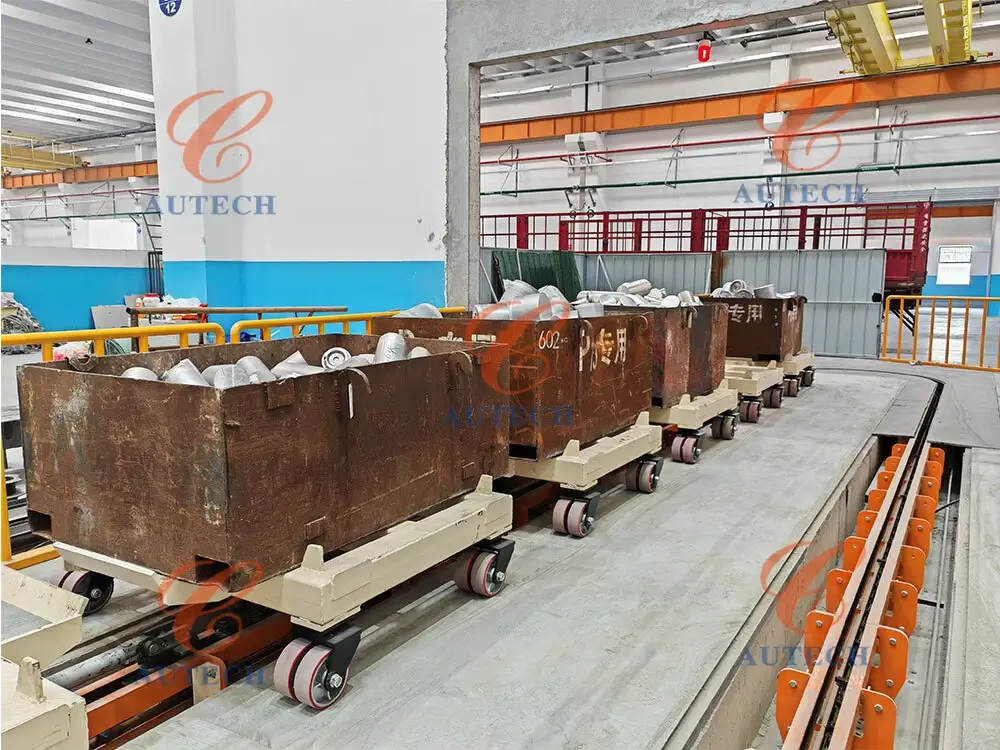
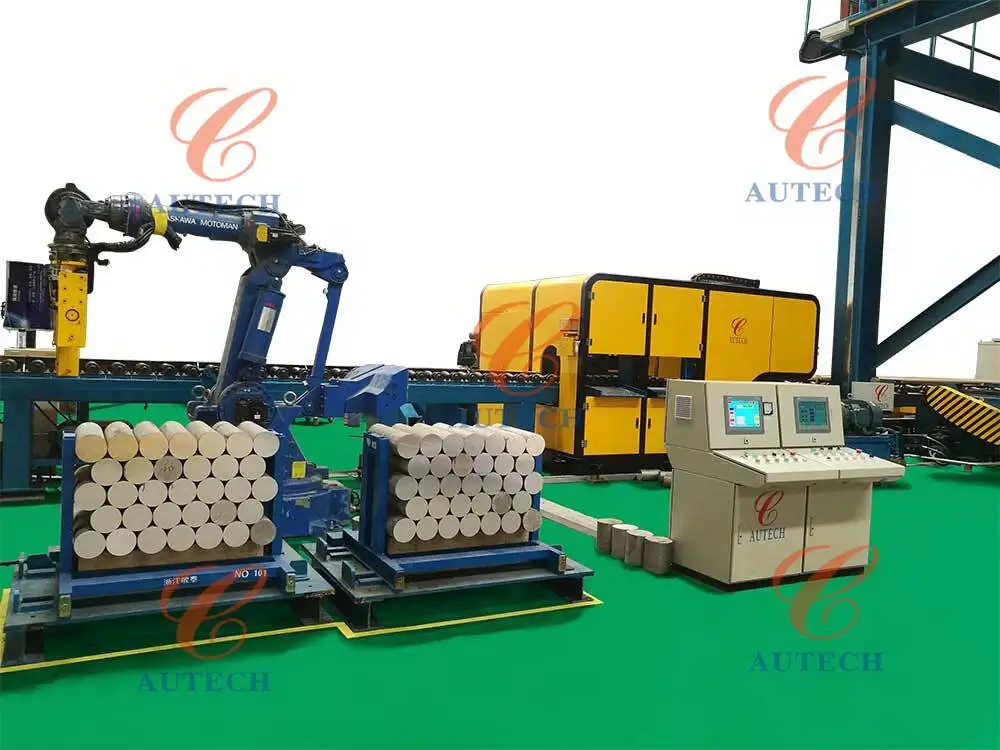
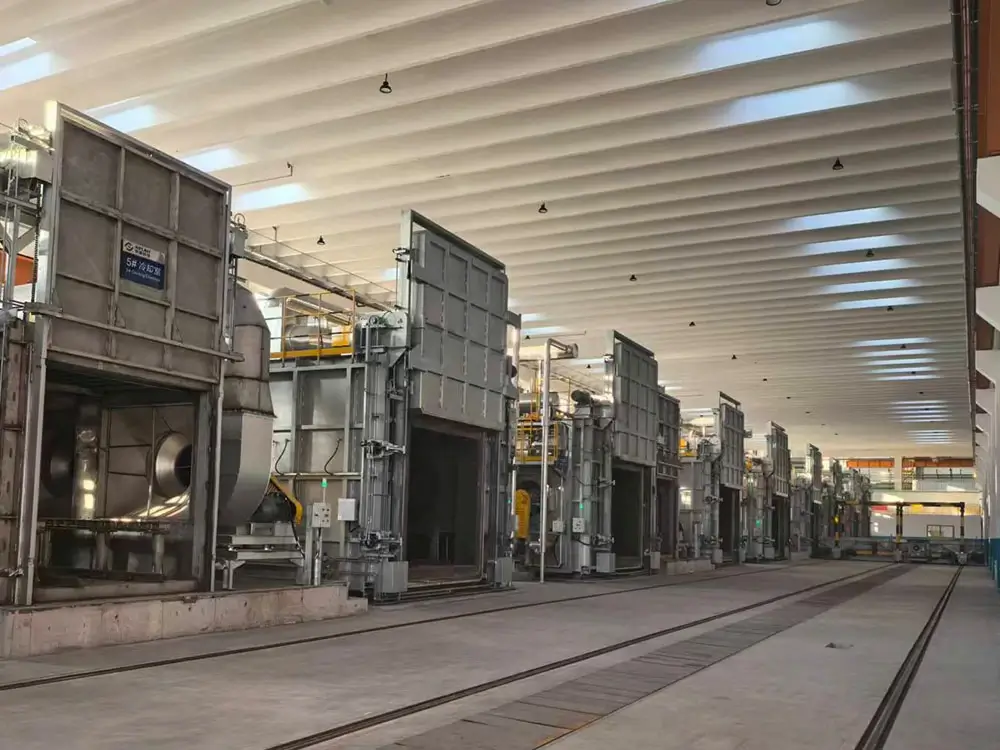
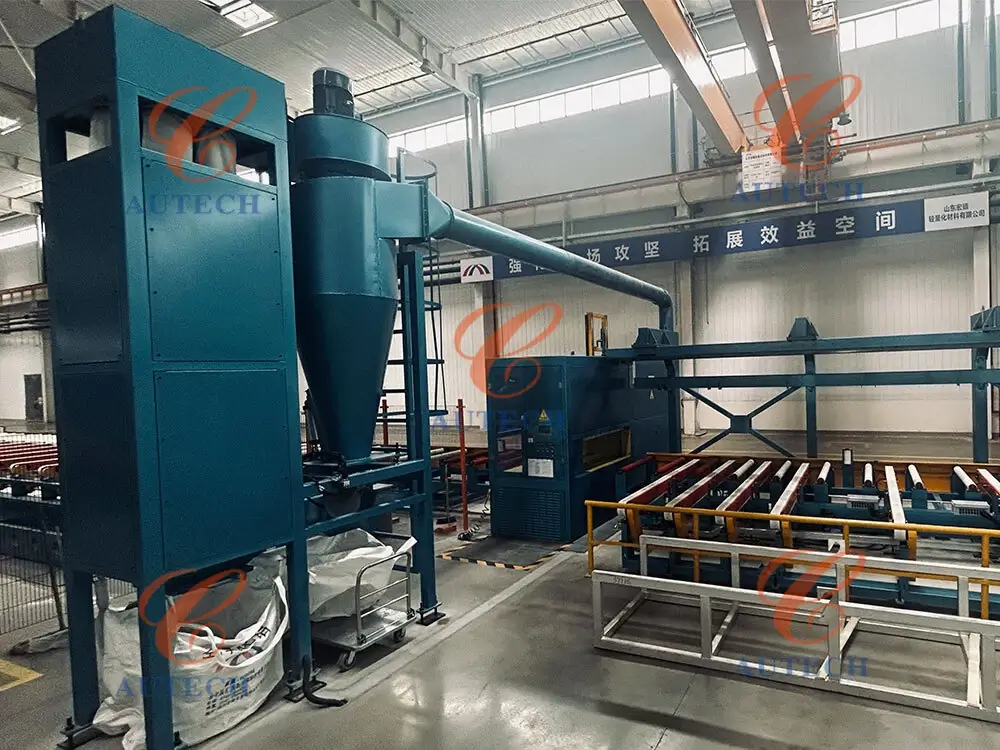
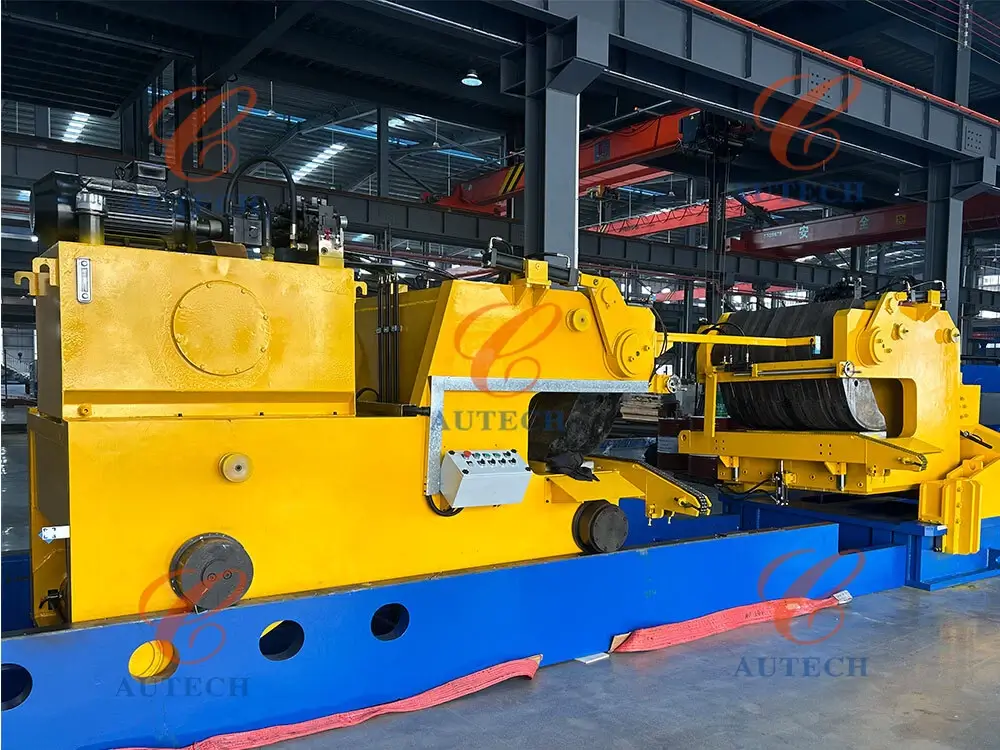
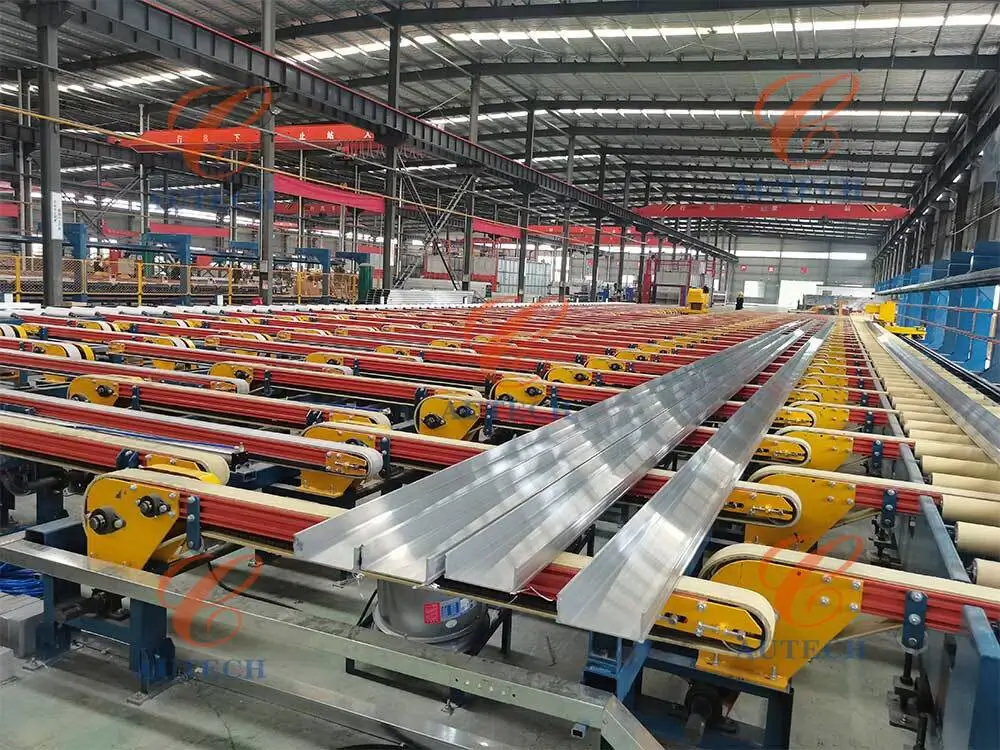
An Aluminum Bar Extrusion Press (often simply called an extrusion press) is the powerhouse of an aluminum production line. It uses massive hydraulic pressure to force a heated aluminum billet through a steel die to create specific shapes, such as tubes, rods, or complex architectural profiles.
The press acts as the bridge between a raw aluminum billet and a finished product. Its primary functions include:
Compression & Deformation: It applies thousands of tons of force to transform a solid, softened aluminum log into a continuous “strand” of a specific cross-section.
Precision Shaping: By using interchangeable dies, the press can produce anything from a simple round bar to a hollow window frame profile with high dimensional accuracy.
Automated Cycle Management: Modern presses manage the “dead cycle” (the time between extruding one billet and the next) by automatically loading billets, shearing off the “butt” (excess material), and resetting the ram.
Presses are categorized by their press force, usually measured in US Tons or Metric Tons (MN). The “model” is typically defined by the size of the billet it is designed to handle.
| Press Force (Tons) | Typical Billet Diameter | Primary Use Case |
| 600T – 1000T | 3″ to 4″ | Small, precise profiles (LED strips, heat sinks, small trim). |
| 1450T – 1800T | 5″ to 6″ | Standard architectural profiles (windows, doors, furniture). |
| 2500T – 3600T | 7″ to 10″ | Industrial frames, solar panel rails, and automotive parts. |
| 5000T – 10,000T+ | 12″ to 20″+ | Heavy industry, aerospace, and large structural beams for trains. |
Advantages
Versatility: A single machine can produce thousands of different products simply by changing the die.
Material Strength: The extrusion process actually improves the grain structure of the aluminum, making the finished bar stronger than a cast version of the same shape.
High Efficiency: Modern servo-driven hydraulic systems have significantly reduced energy consumption and noise compared to older traditional pump systems.
Complex Geometries: It can create hollow or “semi-hollow” shapes that would be impossible or too expensive to machine from solid blocks.
Disadvantages
High Initial Investment: A complete press line (including the furnace and handling system) requires significant capital.
Wear and Tear: The extreme heat and pressure mean that “containers” and “stems” (internal parts) require regular, costly maintenance.
Scrap Generation: Every billet leaves behind a “butt” (the end piece that can’t be pushed through the die), though this is typically recycled.
Speed Limitations: Certain high-strength alloys (like the 7xxx series) must be extruded very slowly to prevent cracking, which limits output.
If you are looking at modernizing a line or comparing models for export, three features define the current “mainstream”:
Servo-Hydraulic Systems: Replaces traditional motors to save up to 30% in energy costs and provide smoother movement.
Short-Stroke Design: Reduces the “dead cycle” time, allowing for more billets to be extruded per hour.
Automatic Die Change: Reduces downtime from 20-30 minutes down to just a few minutes, which is critical for high-volume factories.
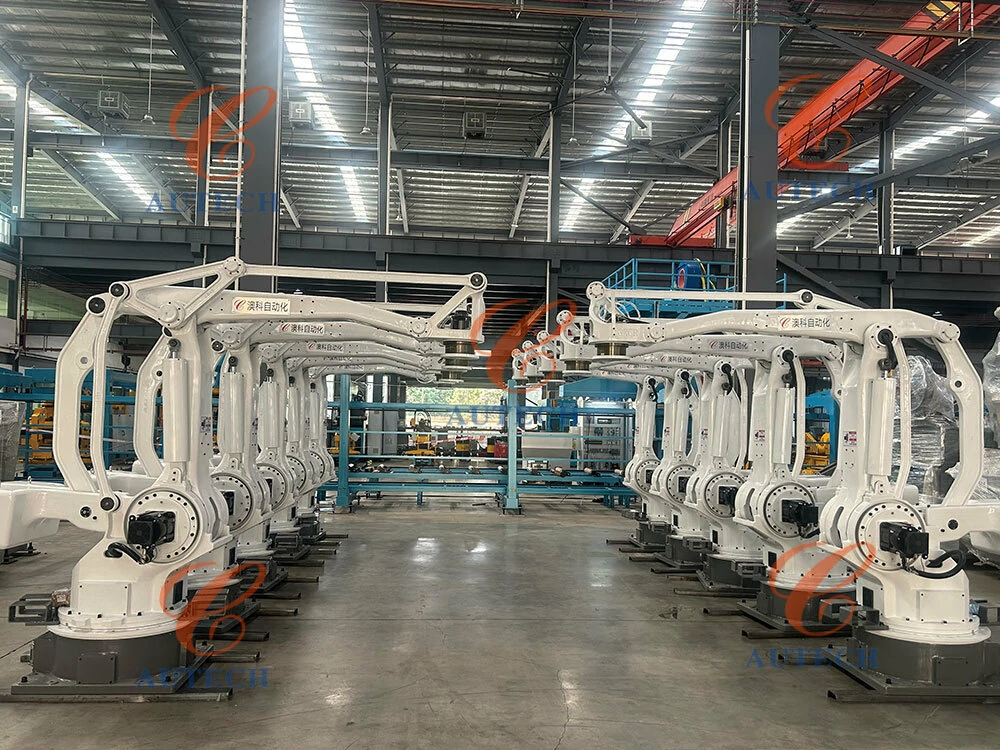
What We Provide!
We are the best manufacturer of the products and can provide professional solutions for you. Please feel free to contact us for a quick quote now!
You can get a price of this model or send us any question to get any information you would like to know, we will reply to you soonest.