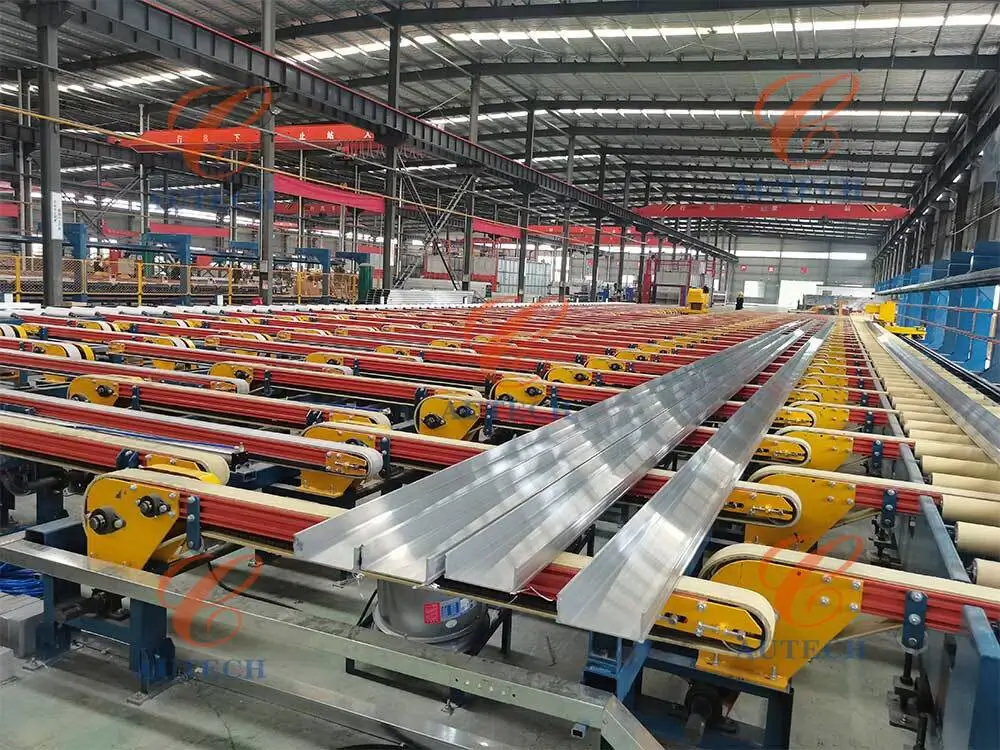

Guidance & Alignment: It keeps the profile straight and centered as it exits the die, preventing “snaking” or bending on the run-out table.
Constant Tension: It applies a light, consistent “pull” (tension) to the profile. This helps maintain the dimensional integrity of the shape and prevents the metal from bunching up.
Speed Synchronization: Modern pullers use high-precision sensors to match the extrusion speed of the press exactly (which can vary during the cycle).
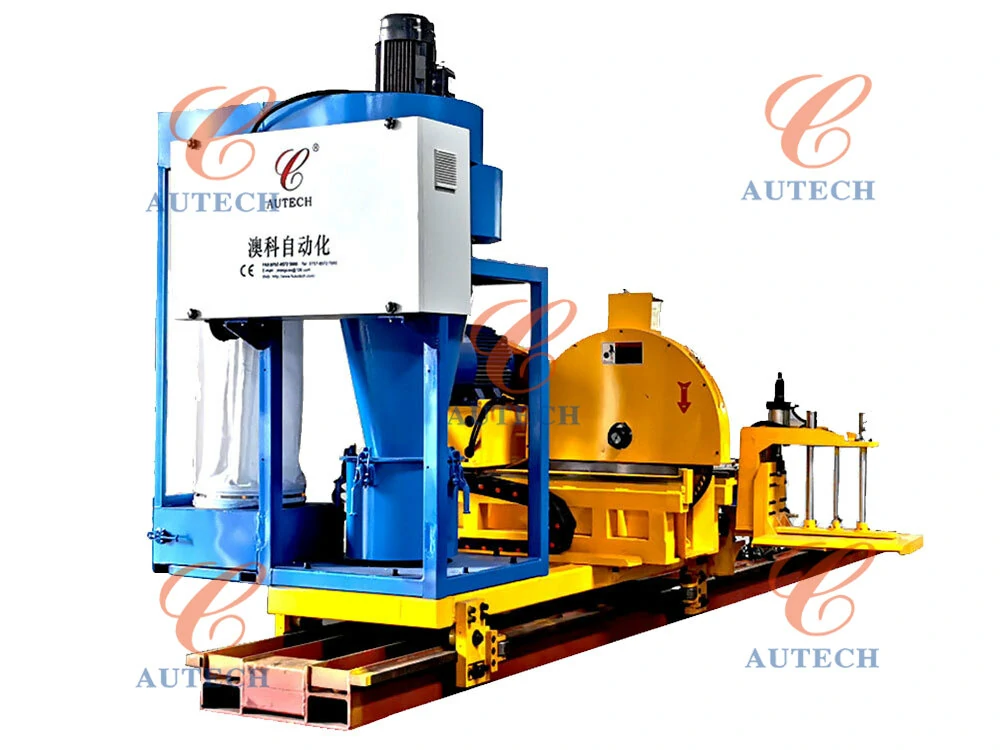
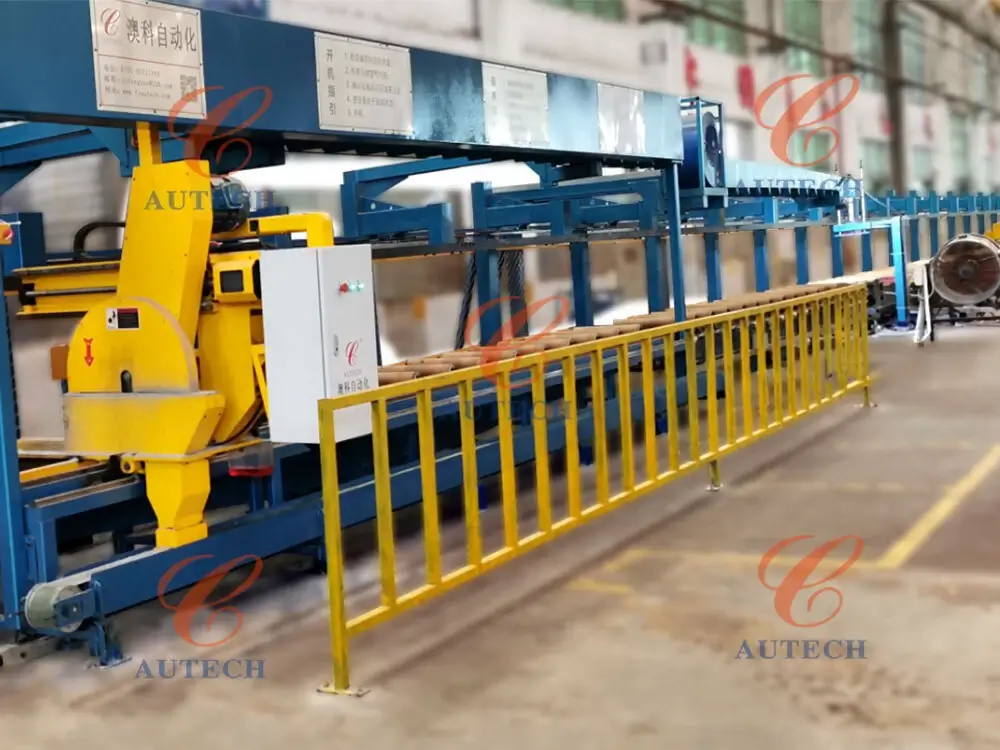
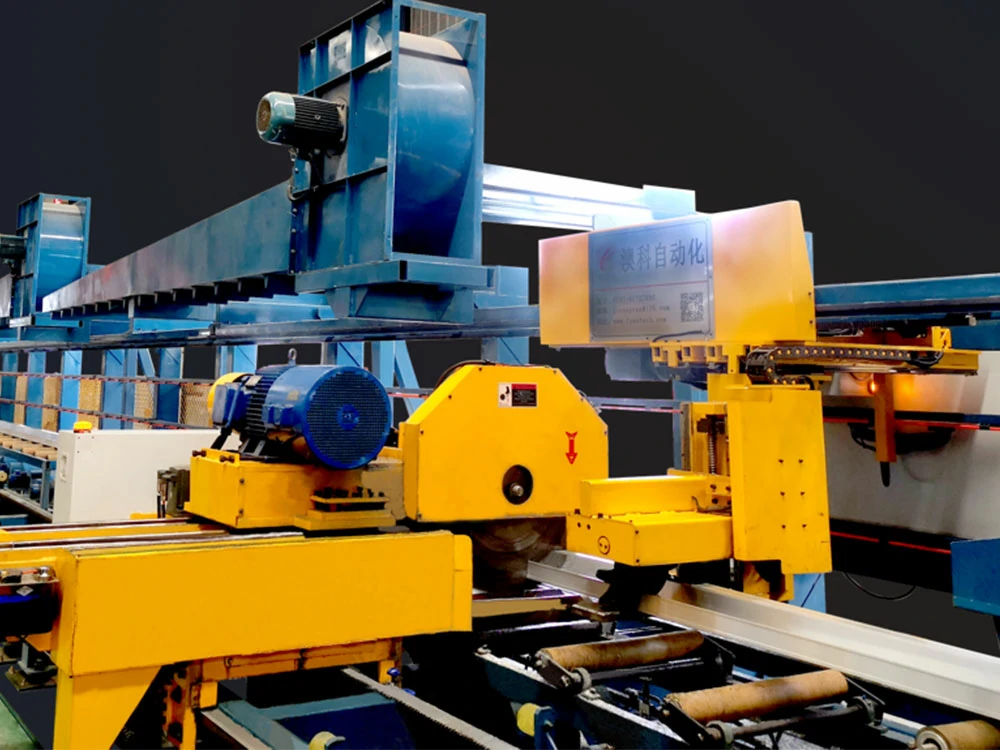
Automated Sawing (for Flying Cut models): Some pullers are integrated with a “flying saw” that cuts the profile to the desired length while the press is still extruding.
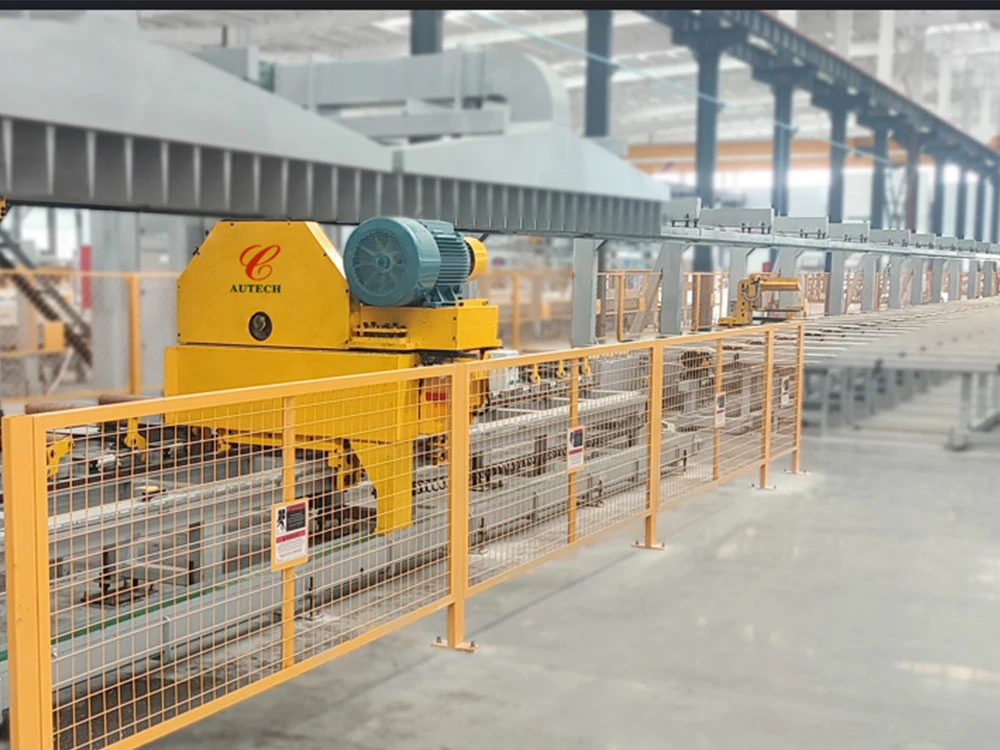
Pullers are generally categorized by the number of “heads” or carriages they use to manage the production flow.
A. Single Puller
The most basic model. One carriage pulls the profile to the end of the table, releases it, and then returns to the press to wait for the next billet.
Best for: Low-speed lines or very long profiles.
B. Double Puller (Mainstream for High-End Lines)
Consists of two independent carriages on the same track that “hand off” the profile. While one carriage is pulling, the second returns to the press to grab the next section immediately.
Best for: 10-inch lines and high-volume production where “dead time” must be minimized.
C. Multi-Puller (Triple or Quad)
Used in massive industrial setups where multiple strands (multi-hole dies) are being extruded simultaneously at high speeds.
D. Flying Cut Puller
Equipped with an integrated saw or shear. It cuts the profile “on the fly” without stopping the extrusion process.
| Feature | Double Puller (Modern) | Single Puller (Traditional) |
| Efficiency | High: Zero waiting time between billets. | Lower: The press must wait for the puller to return. |
| Profile Quality | Excellent: Constant tension reduces twisting. | Good: But tension can be inconsistent during reset. |
| Complexity | High: Requires advanced PLC synchronization. | Low: Simple mechanical operation. |
| Cost | Higher: Significant investment in motors/rails. | Lower: More affordable for budget-conscious plants. |
| Labor | Automated: Usually requires no manual intervention. | Semi-Manual: Sometimes needs help at the “grab” stage. |