1. Core Functions
The peeling machine acts as the “cleanup crew” for raw material preparation:
Surface Decontamination: It removes the “casting skin” which is rich in oxides, lubricants, and segregated elements that could cause structural weaknesses.
Dimensional Accuracy: It turns a slightly irregular cast rod into a perfectly cylindrical billet with precise diameter tolerances.
Defect Elimination: It shaves off surface cracks, slag inclusions, or “cold shuts” that occur during the casting process.
Quality Assurance for High-End Alloys: For the 2XXX and 7XXX series (aerospace/military grade), peeling is often mandatory to ensure the metal is 100% pure before extrusion.
2. Mainstream Models & Types
Peeling machines are generally categorized by their automation level and the diameter of the rods they handle.
By Design Type:
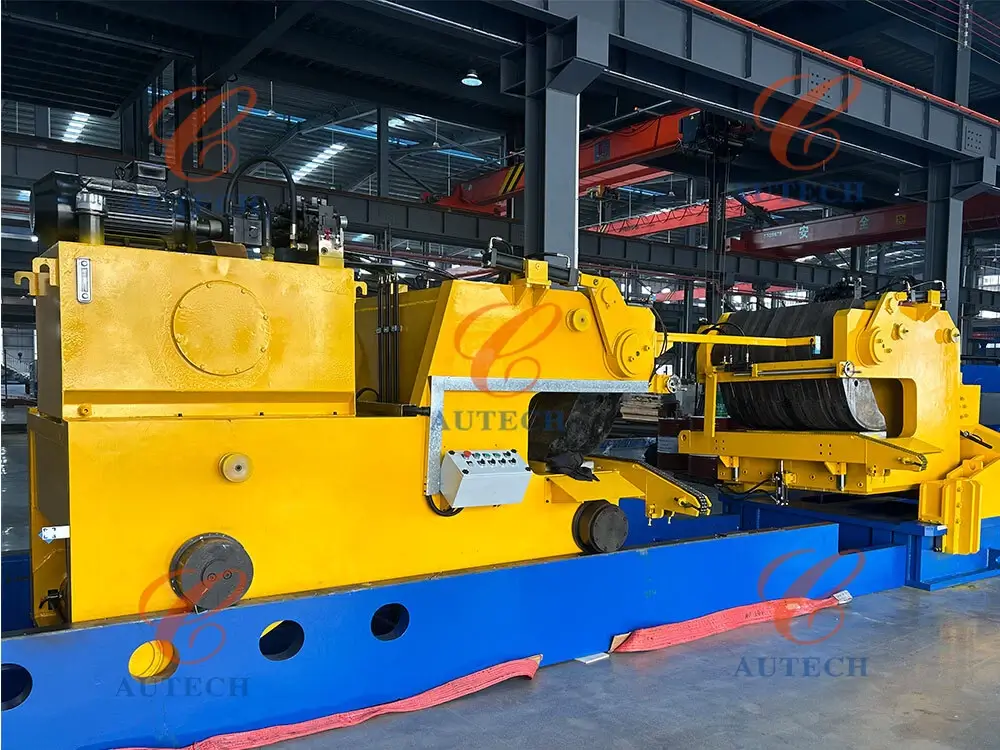
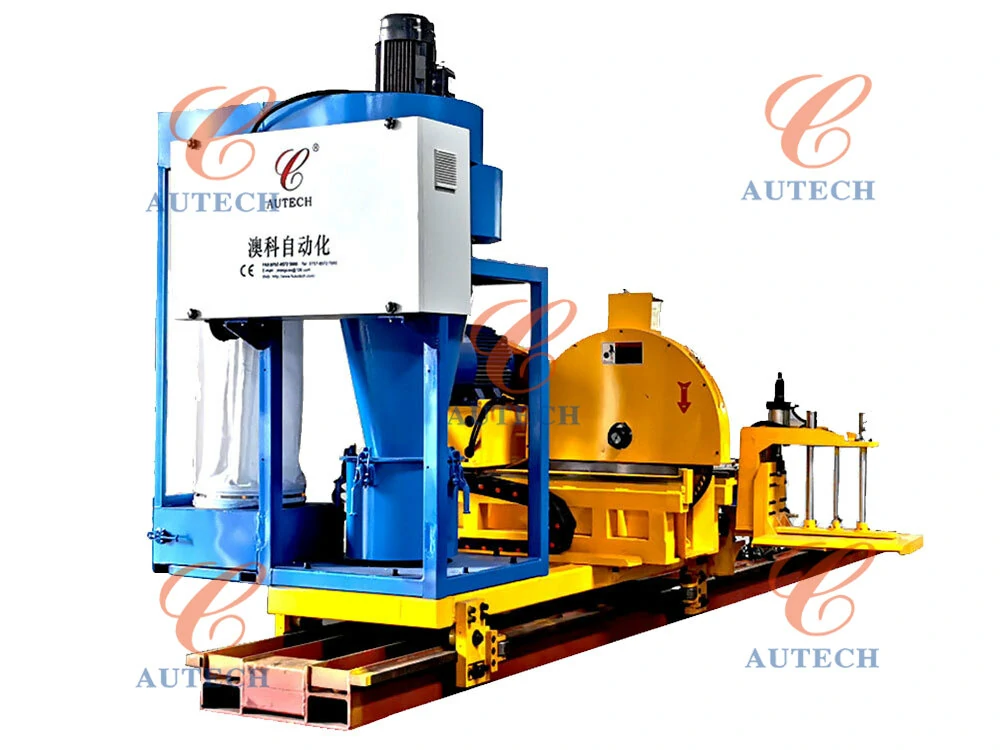
Rotary Cutter Head (Mainstream): The aluminum rod moves linearly (does not rotate) while a high-speed cutter head rotates around it. This is the fastest and most efficient method for long rods.
Lathe-Type Peeling: The rod rotates while a stationary tool moves along its length. This is usually reserved for very large-diameter billets or shorter lengths.
By Capacity:
Small/Medium Range: Designed for 3-inch to 7-inch rods.
Large Range: Designed for 10-inch to 20-inch rods, typically used in heavy industrial and aerospace production lines.
3. Advantages and Disadvantages
Advantages
Superior Finish: Provides a mirror-like or high-precision matte finish that significantly reduces the rejection rate of the final extruded profile.
Extends Die Life: Removing the hard, abrasive oxide layer from the billet reduces friction and wear on the extrusion dies.
High Speed: Modern rotary peeling machines can process several meters of rod per minute, keeping up with high-volume production lines.
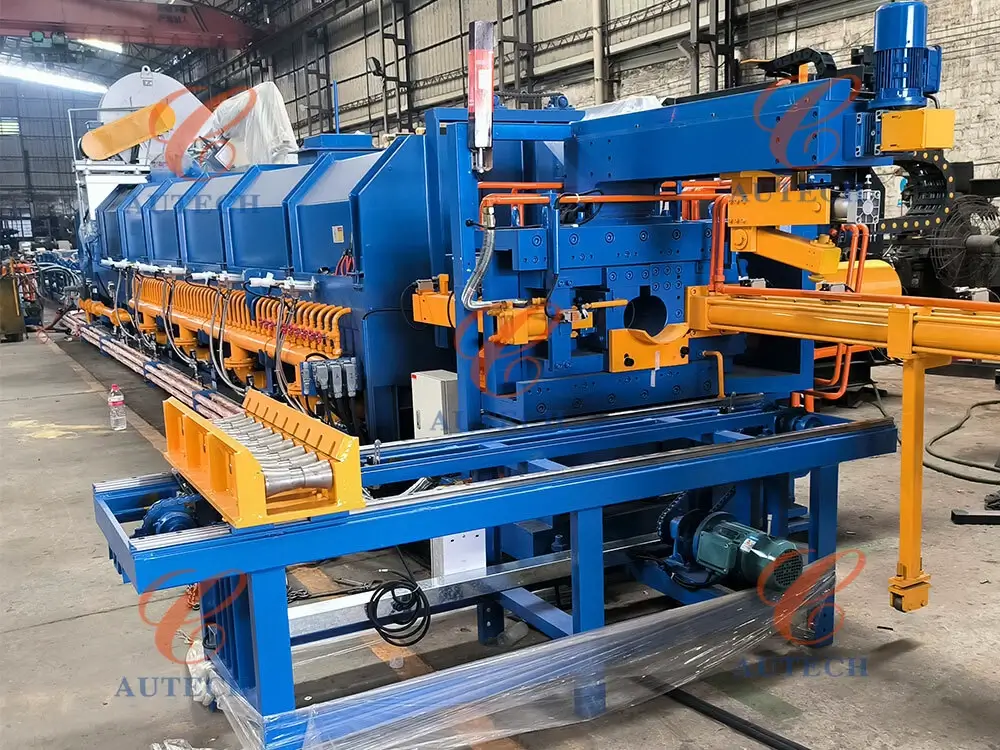
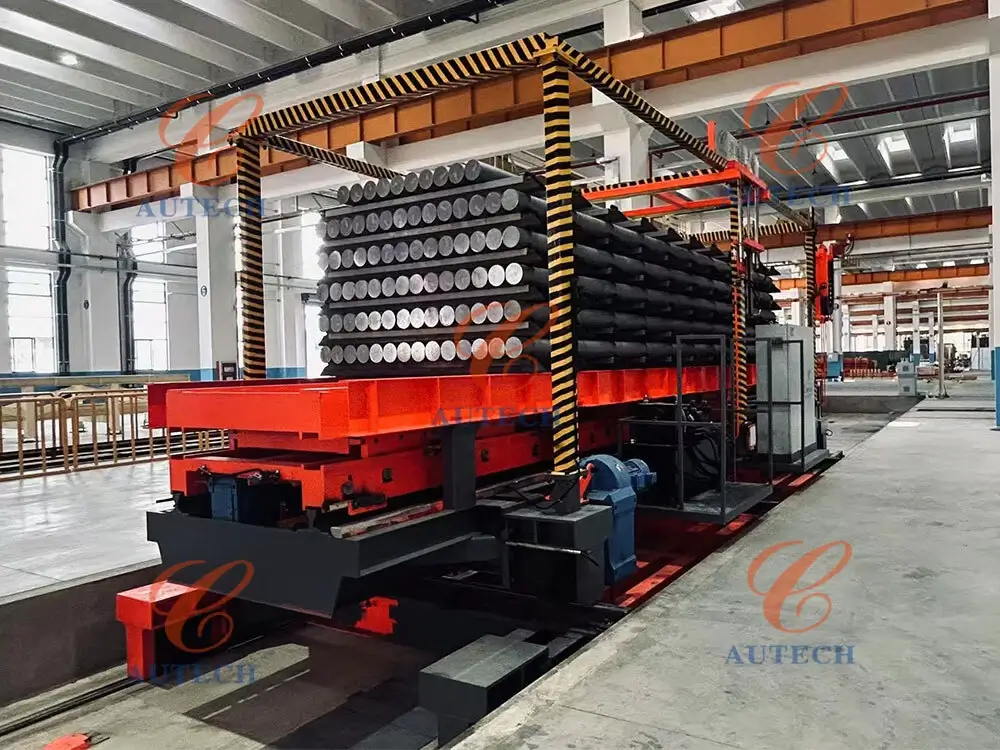
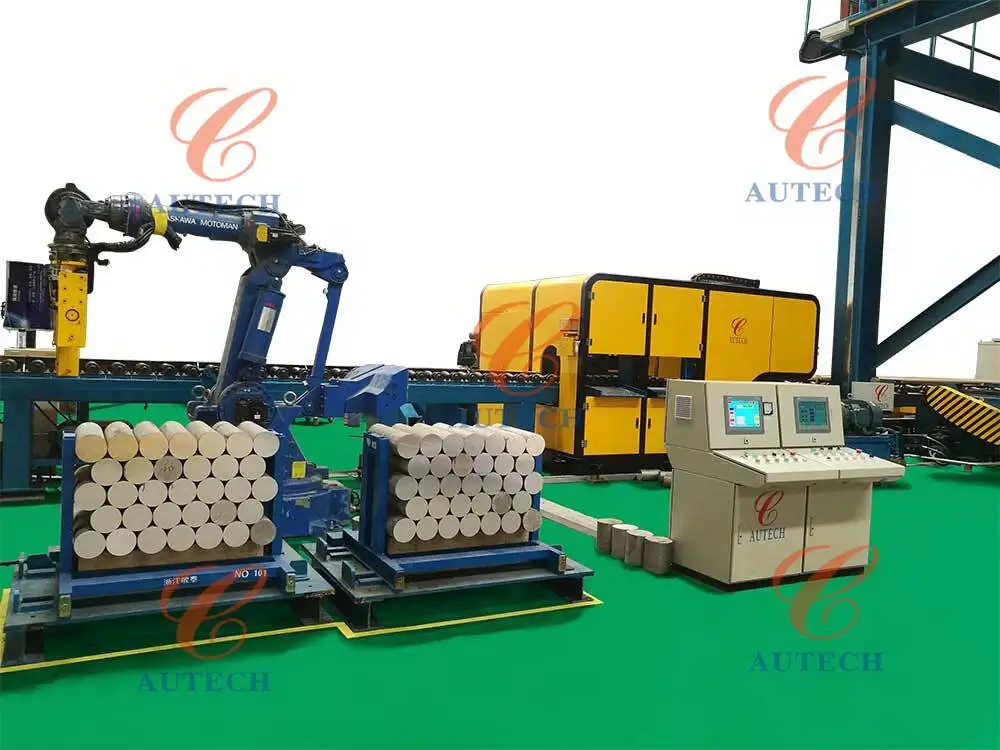
Automation: Most mainstream models are now CNC-controlled, allowing for automatic tool adjustment and integration with robotic loading arms.
Disadvantages
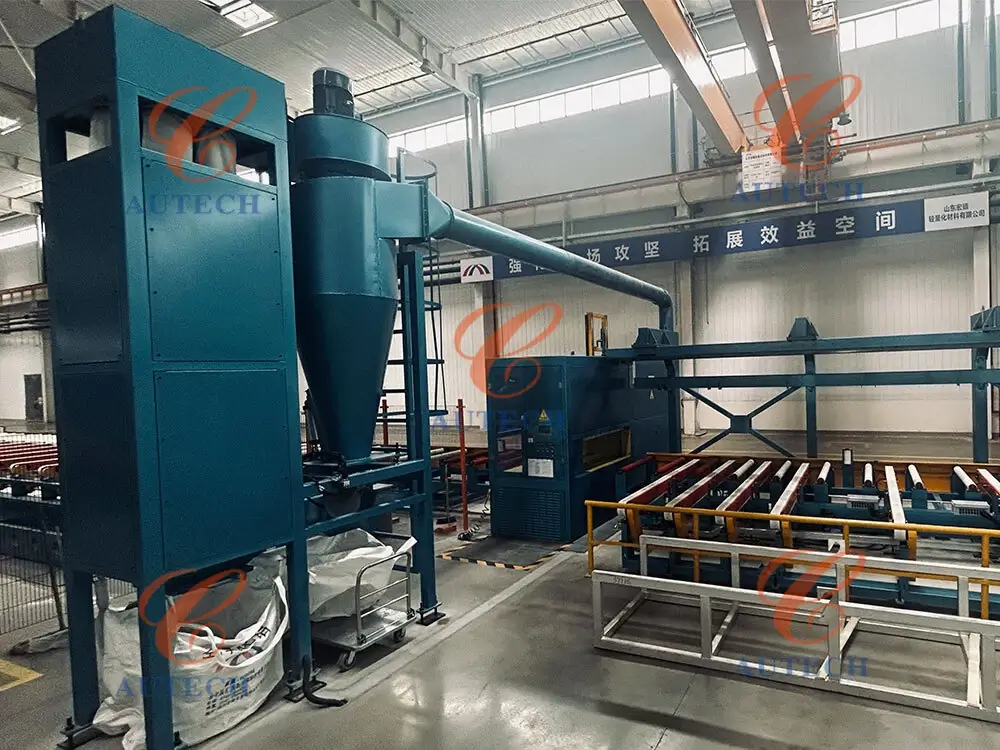
Material Loss (Chip Generation): Peeling typically removes 1mm to 3mm of the radius. This creates a large volume of aluminum chips (swarf), which must be collected and recycled.
High Initial Cost: A high-precision CNC peeling machine is a significant investment compared to simple chemical etching or cleaning.
Tooling Costs: The carbide inserts used in the cutter heads wear down and require regular replacement to maintain surface quality.