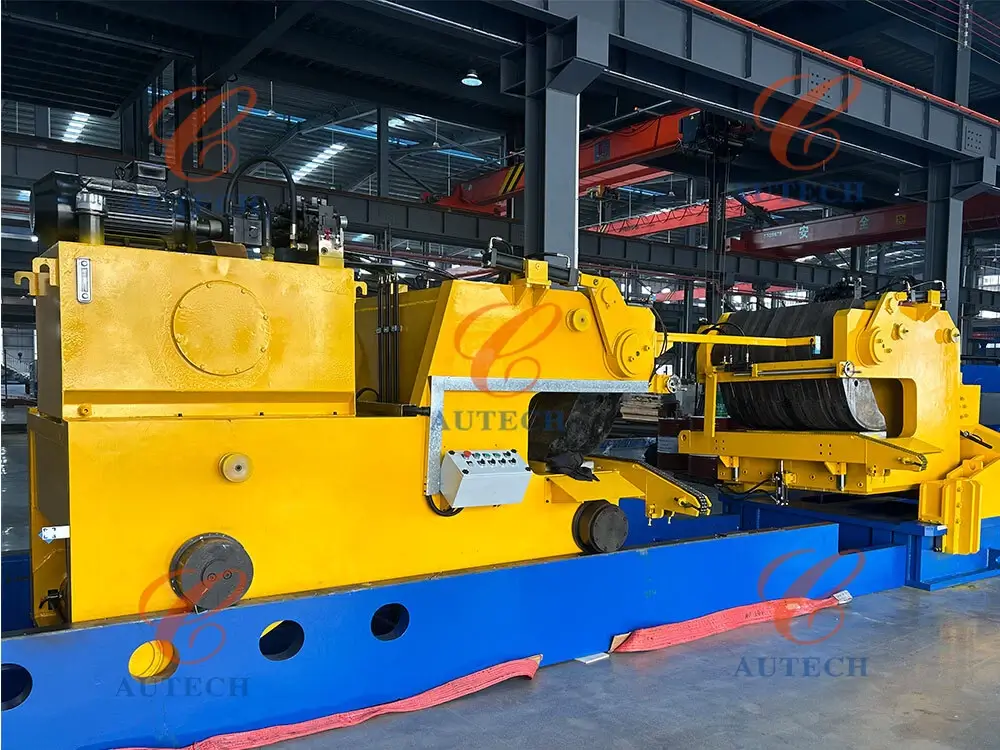
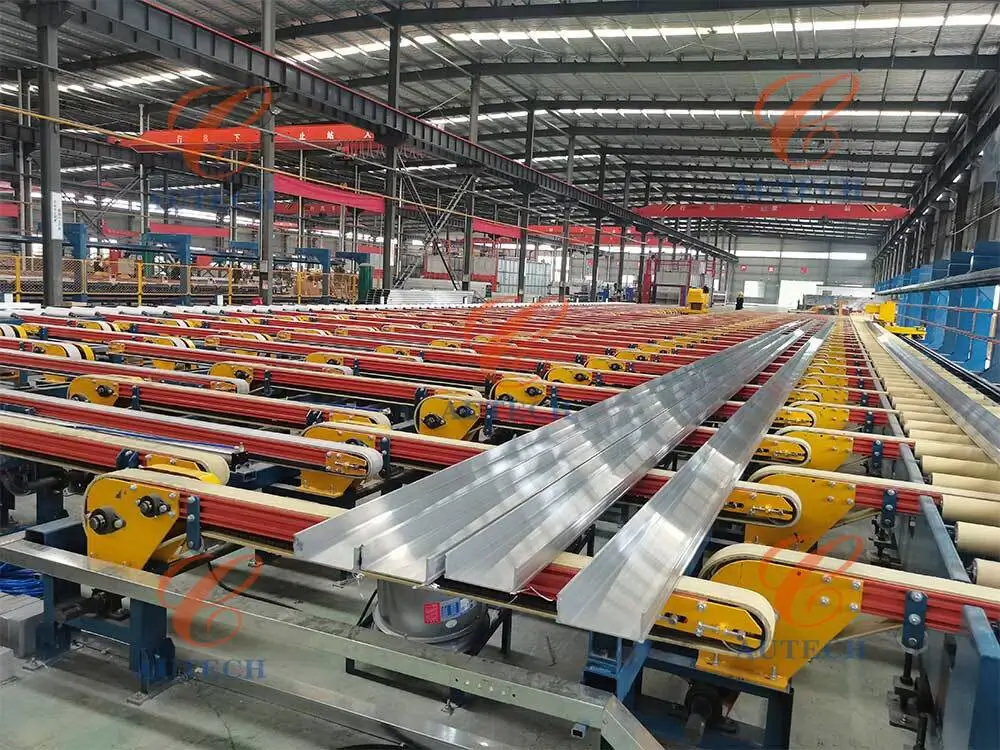
What Are Automatic Aluminum Profile Framing Machines? What Are Their Core Functions? What Are The Mainstream Models? What Are Their Advantages And Disadvantages?
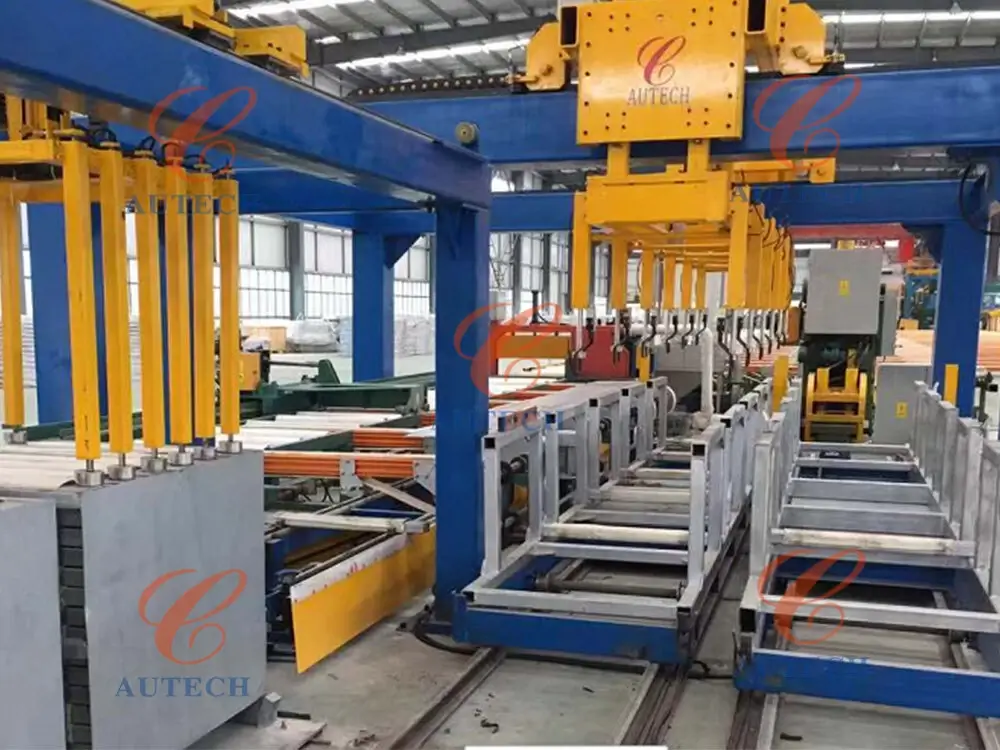
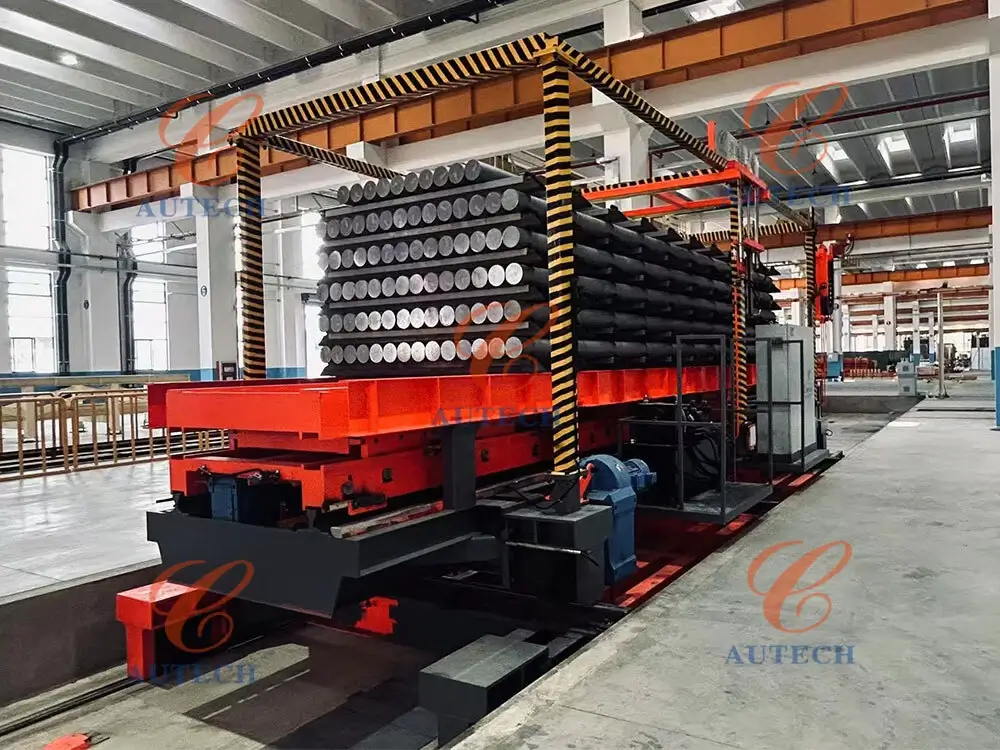
An Automatic Aluminum Profile Framing Machine (also known as an Automatic Billet/Profile Stacking & Bundling Machine) is the final automated stage of a modern production line. After the profiles are cut to length at the sawing table, they must be organized, layered, and “framed” (stacked into metal aging crates or baskets) to be sent to the aging furnace.
In a high-capacity 10-inch extrusion line, the profiles are too heavy and the volume is too high for manual handling, making these machines a operational necessity.
The framing machine replaces a team of 4–6 workers with a robotic or mechanical system:
Layer Formation: It aligns multiple profiles side-by-side to create a flat “layer” that matches the width of the aging crate.
Spacer Placement (Automatic): It automatically places aluminum or heat-resistant spacers (sticks) between each layer. This is critical to allow hot air to circulate around every profile during the aging process.
Lifting & Positioning: Using vacuum suction cups or mechanical grippers, it lifts the entire layer and places it precisely into the aging basket.
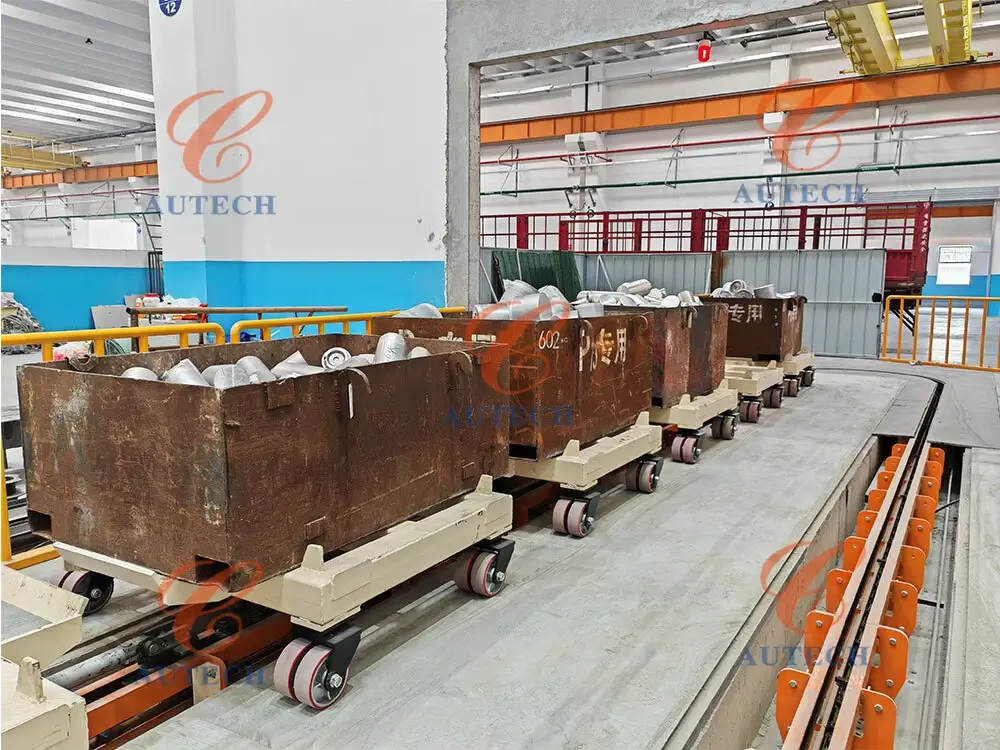
Basket Management: It moves empty baskets into the loading zone and shifts full baskets out toward the aging furnace area.
2. Mainstream Models
Framing systems are generally categorized by their mechanical “hand”: A. Vacuum Suction Stacking Machines (Mainstream)
Uses a series of vacuum cups to lift profiles.
Best for: Standard architectural profiles and light-to-medium industrial shapes. It is very gentle on the surface.
B. Mechanical Gripper / Clamp Stackers
Uses pneumatic or hydraulic “fingers” to grab the profiles from the sides.
Best for: 10-inch heavy industrial profiles or shapes that are too irregular/porous for vacuum suction.
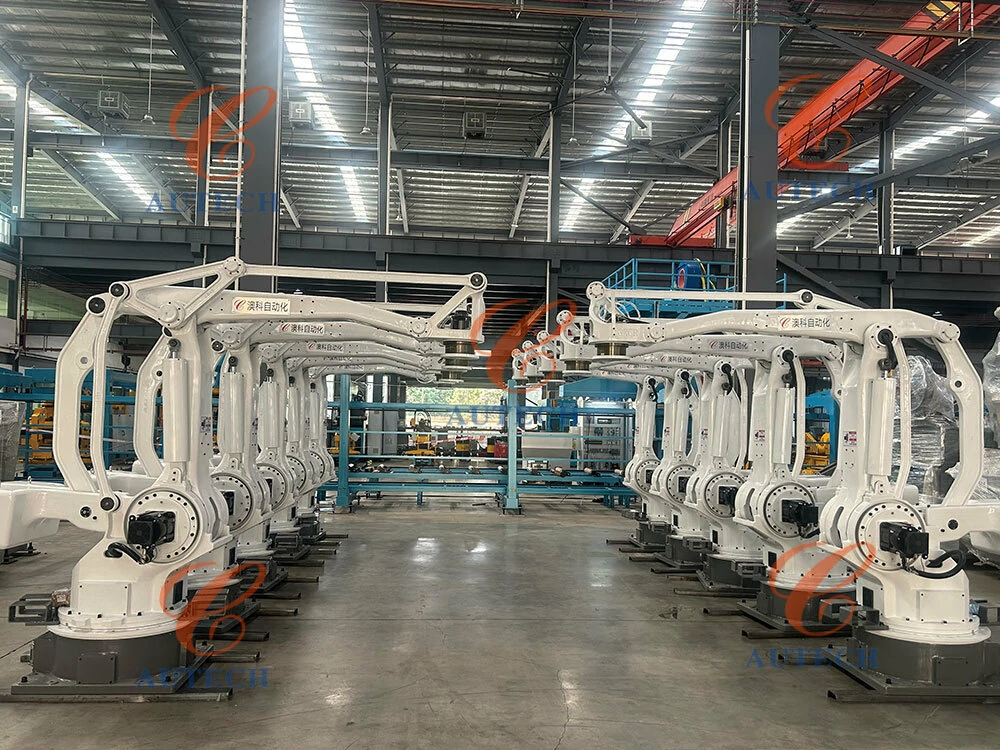
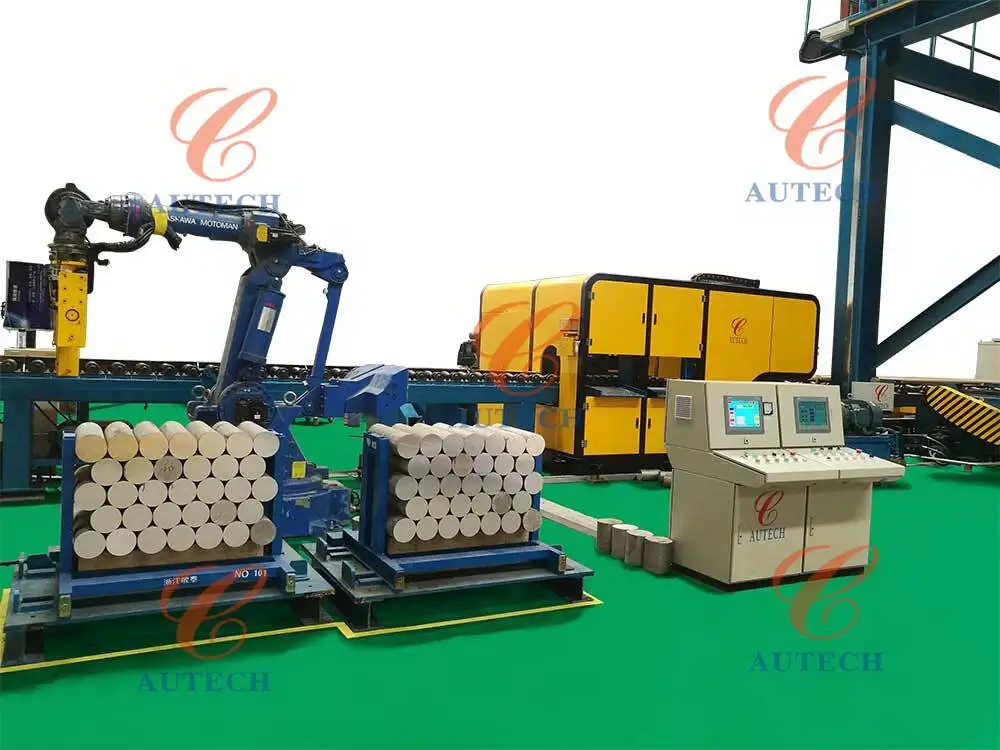
C. Robotic Arm (6-Axis) Framing
A high-end solution where a heavy-duty industrial robot (like Fanuc or KUKA) performs the stacking.
Best for: Complex layouts or factories that require extreme flexibility for different basket sizes.
Advantages and Disadvantages
Feature
Automatic Framing System
Manual Stacking
Advantages
Labor Reduction: Saves 4–8 workers per shift. Surface Protection: Consistent, gentle movement reduces scratches.
Zero Capital Cost: No expensive machinery to buy. Total Flexibility: Humans can handle any weird shape easily.
Disadvantages
High Initial Investment: Significant CAPEX for the machinery. Maintenance: Requires sensor calibration and vacuum cup replacement.
Safety Risk: High injury rate from lifting heavy 10-inch profiles. Inconsistency: Poorly placed spacers lead to uneven aging.
Efficiency
100%: Matches the press speed perfectly.
Bottleneck: Workers get tired, slowing down the line.
Summary for Proposals:
Production Focus
Recommended Model
Key Feature
Architectural (High Volume)
Vacuum Belt Stacker
Scratch-free handling
Heavy Industrial (10″ Line)
Overhead Gantry Stacker
High-lift capacity (up to 500kg/layer)
High-End Tech/Auto
Robotic Arm Cell
Multi-functional (can also de-stack)
Contents
What We Provide!
We are the best manufacturer of the products and can provide professional solutions for you. Please feel free to contact us for a quick quote now!